


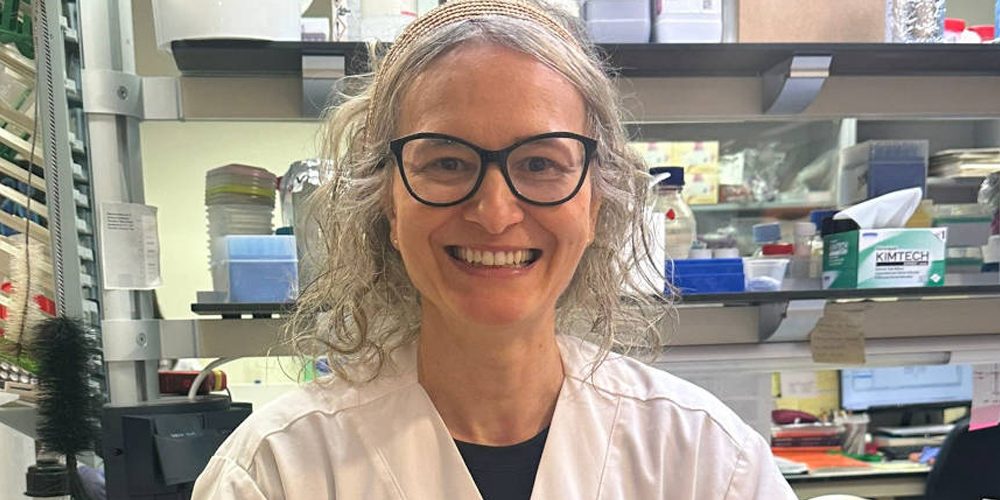
World Microbiome Day is commemorated every June 27th; however, to comprehend what it entails, one must first understand the microbiota, the host environment where it is located. This is a complex ecosystem that inhabits ‘our body,’ consisting of bacteria, viruses, and fungi, among other species.
As Universitat de València professor Dolores Ortiz explains, this community of microorganisms plays an active role in daily processes, such as digestion or the metabolism of the drugs we ingest. Consequently, they interact with the immune system and are even capable of synthesizing metabolites that enter the bloodstream and can exert systemic effects. Hence their relevance to maintaining good overall health.
Ortiz, an associate professor in the Department of Medicine, has been working on inflammatory bowel disease for over a decade, and her specialization encompasses two major pathologies within this group: ulcerative colitis and Crohn’s disease. Throughout these years, her research, which began with pathophysiology, has evolved to focus on fibrostenotic disease—that is, the stage when complications arise.